Friday, January 22, 2016
State of the Union - Final Update January 2016
The State of the Union information will be issued on the main UAW local website.
No more updates will appear here.

Thursday, December 17, 2015
State of the Union December 17, 2015
December 17, 2015 online at www.uawlocal2250.com
· From Chairman Mike Bullock: The shop committee continues to meet every day in an effort to settle the local contract. These are difficult negotiations. The addition of a third shift requires additional language to be negotiated that was not already in the contract. Long discussions about third shift double time have occurred and is not yet resolved. Things as simple as water fountains, smoking shelters, and ice machines are items that the corporation only provides because we have contract language. Restroom cleaning schedules, team centers, and uniforms are all on the table and being discussed. There were over 100 union demands submitted and 30 still remain to be settled. The local contract is about work rules, not financial. This shop committee will not present a local contract for ratification until we have resolved all the issues. We have given the corporation an extension to the local contract until that time.
Local 2250 and GM adopted 223 children this year for Christmas. The local 2250 Community Services committee and our membership deserve a round of applause for helping our communities.
Information packets will be distributed tomorrow outlining the process for the upcoming lay off.
The remaining group of 103 employees will be converted to permanent on December 21. All of May 9th will be converted and any May 11th employee whose gmin begins with 1986 or lower will also be converted. Conversion meeting times are 6:45 am, 1:45 pm and 2:45 pm. The meetings will be in the tour holding room
· Reminder: The annual Chassis Christmas Party is scheduled for this Saturday, Dec. 19 at Maggie Malones (990 Wentzville Pkwy) from 3:00 pm until ? There will be free food, door prizes, drink specials and live music starting at 9:00 pm. All are welcome. For information contact Susan at column F-43, 1st shift motorline.
· The 12 days of Christmas raffle continues now through Tuesday, Dec. 22. There will be daily drawings (1st shift, 2nd break in the cafeteria) for prizes such as baskets, jackets, blankets and a lottery tree. Tickets are available from any Women’s Committee member and are $5 apiece, 3 for $10 and 22 for $20. Proceeds go to fund committee activities in 2016.
· From the Wall Street Journal: The National Labor Relations Board certified the vote of skilled trades workers at the Volkswagen AG plant in Chattanooga, Tenn., making the union of approximately 162 people official. Volkswagen had pledged to appeal whether the smaller group of workers was allowed to make such a vote to the NLRB, but an appeal hadn’t been filed as of Monday evening, a spokeswoman for the board said. The vote to form a collective bargaining unit, which occurred on Dec. 3 and 4, passed with 71% voting in favor of the measure. (continued on back)
The union is represented by United Auto Workers Local 42. The remainder of the plant workers aren't represented by a collective bargaining unit. In early 2014, a plant-wide vote to unionize narrowly failed, but the UAW formed a local unit anyway. Until the vote, the local union wasn’t able to bargain for wages or benefits. Now, the union can bargain for the group of skilled tradesmen, but not the wider group. The plant employs about 1,450 hourly workers total, including the skilled tradesmen. Union officials said they would immediately seek to bargain with Volkswagen for a contract for its workers.
· All automotive awards are certainly not created equal, and winning Motor Trend Truck of the Year for a second year running is a monumental achievement. But our pickups got perhaps a more important, though less publicized, award. Kelly Blue Book released their top 10 Best Resale Value awards Tuesday, and coming in at #3 and #4 were the GMC Canyon and Chevy Colorado respectively. The Canyon is projected to retain 70.7% of its original sticker after 3 years (2nd best of all vehicles) and 59.5% after 5 years. Regarding the Canyon, KBB said, “One of two GMC trucks (the Sierra was the other) to earn a spot in the top 10, the GMC Canyon combines a tough look with midsize practicality.” The Colorado was projected to retain 70.0% of its sticker after 3 years and 58.6% after 5 years. “The Chevrolet Colorado, the GMC Canyon's more mainstream cousin, offers similar capability and resale resilience, but with a sleeker look. And both now offer diesel power,” said KBB. These high residuals, as they are known in the leasing world, enable lower lease payments than vehicles that lose their value more quickly – just another selling point for the best midsize pickups in the world.
· The last edition of the SOTU listed some facts and figures about buyers of our pickups. Here are a few more interesting facts, courtesy of Automotive News:
You may recall that one of the criticisms of GM’s plan to get back into the midsize pickup arena was the belief that they would steal sales from big brothers Silverado and Sierra. That hasn’t been the case. Through September, U.S. sales of the Silverado jumped 15 percent, making the Silverado the only one of the top five full-size pickups to post double-digit sales growth (followed by the GMC Sierra, up 9.8 percent; Ram, up 3.4 percent; Ford F series, up 1.3 percent; and Toyota Tundra, up 0.9 percent).
Just 12 percent of Chevy Colorado buyers traded in a Silverado in the 90-day period from May through July, IHS Automotive data show. The rate of Sierra-to-Canyon converts was even smaller, at 9 percent. Also, surprisingly, the top market for the Chevy Colorado is California. Its success there "all of a sudden starts to create some momentum around the brand" in a market where Chevy long has struggled for a foothold, Chevy global brand chief Alan Batey said in an interview last month. In the Los Angeles metro market, Chevy's overall sales were up 16 percent through August vs. 10 percent for that market as a whole.
Tom Brune
UAW Communications Coordinator
Wentzville Assembly
636-327-2119
· From Chairman Mike Bullock: The shop committee continues to meet every day in an effort to settle the local contract. These are difficult negotiations. The addition of a third shift requires additional language to be negotiated that was not already in the contract. Long discussions about third shift double time have occurred and is not yet resolved. Things as simple as water fountains, smoking shelters, and ice machines are items that the corporation only provides because we have contract language. Restroom cleaning schedules, team centers, and uniforms are all on the table and being discussed. There were over 100 union demands submitted and 30 still remain to be settled. The local contract is about work rules, not financial. This shop committee will not present a local contract for ratification until we have resolved all the issues. We have given the corporation an extension to the local contract until that time.
Local 2250 and GM adopted 223 children this year for Christmas. The local 2250 Community Services committee and our membership deserve a round of applause for helping our communities.
Information packets will be distributed tomorrow outlining the process for the upcoming lay off.
The remaining group of 103 employees will be converted to permanent on December 21. All of May 9th will be converted and any May 11th employee whose gmin begins with 1986 or lower will also be converted. Conversion meeting times are 6:45 am, 1:45 pm and 2:45 pm. The meetings will be in the tour holding room
· Reminder: The annual Chassis Christmas Party is scheduled for this Saturday, Dec. 19 at Maggie Malones (990 Wentzville Pkwy) from 3:00 pm until ? There will be free food, door prizes, drink specials and live music starting at 9:00 pm. All are welcome. For information contact Susan at column F-43, 1st shift motorline.
· The 12 days of Christmas raffle continues now through Tuesday, Dec. 22. There will be daily drawings (1st shift, 2nd break in the cafeteria) for prizes such as baskets, jackets, blankets and a lottery tree. Tickets are available from any Women’s Committee member and are $5 apiece, 3 for $10 and 22 for $20. Proceeds go to fund committee activities in 2016.
· From the Wall Street Journal: The National Labor Relations Board certified the vote of skilled trades workers at the Volkswagen AG plant in Chattanooga, Tenn., making the union of approximately 162 people official. Volkswagen had pledged to appeal whether the smaller group of workers was allowed to make such a vote to the NLRB, but an appeal hadn’t been filed as of Monday evening, a spokeswoman for the board said. The vote to form a collective bargaining unit, which occurred on Dec. 3 and 4, passed with 71% voting in favor of the measure. (continued on back)
The union is represented by United Auto Workers Local 42. The remainder of the plant workers aren't represented by a collective bargaining unit. In early 2014, a plant-wide vote to unionize narrowly failed, but the UAW formed a local unit anyway. Until the vote, the local union wasn’t able to bargain for wages or benefits. Now, the union can bargain for the group of skilled tradesmen, but not the wider group. The plant employs about 1,450 hourly workers total, including the skilled tradesmen. Union officials said they would immediately seek to bargain with Volkswagen for a contract for its workers.
· All automotive awards are certainly not created equal, and winning Motor Trend Truck of the Year for a second year running is a monumental achievement. But our pickups got perhaps a more important, though less publicized, award. Kelly Blue Book released their top 10 Best Resale Value awards Tuesday, and coming in at #3 and #4 were the GMC Canyon and Chevy Colorado respectively. The Canyon is projected to retain 70.7% of its original sticker after 3 years (2nd best of all vehicles) and 59.5% after 5 years. Regarding the Canyon, KBB said, “One of two GMC trucks (the Sierra was the other) to earn a spot in the top 10, the GMC Canyon combines a tough look with midsize practicality.” The Colorado was projected to retain 70.0% of its sticker after 3 years and 58.6% after 5 years. “The Chevrolet Colorado, the GMC Canyon's more mainstream cousin, offers similar capability and resale resilience, but with a sleeker look. And both now offer diesel power,” said KBB. These high residuals, as they are known in the leasing world, enable lower lease payments than vehicles that lose their value more quickly – just another selling point for the best midsize pickups in the world.
· The last edition of the SOTU listed some facts and figures about buyers of our pickups. Here are a few more interesting facts, courtesy of Automotive News:
- The Canyon's average transaction price of about $34,100 is tops in the midsize-pickup segment, data from Edmunds.com show. The Colorado's is $31,800, higher than the segment-leading Toyota Tacoma's $30,015.
- The percentage of buyers from other brands -- the conquest rate -- is 56 percent for Canyon and nearly 50 percent for the Colorado, GM says. The Colorado's top conquests are Tacoma and Ford F-150 buyers.
- Around 40 percent of Colorados are rolling off dealership lots accessorized with bike racks and other gear, boosting dealer and GM profits, the company says.
You may recall that one of the criticisms of GM’s plan to get back into the midsize pickup arena was the belief that they would steal sales from big brothers Silverado and Sierra. That hasn’t been the case. Through September, U.S. sales of the Silverado jumped 15 percent, making the Silverado the only one of the top five full-size pickups to post double-digit sales growth (followed by the GMC Sierra, up 9.8 percent; Ram, up 3.4 percent; Ford F series, up 1.3 percent; and Toyota Tundra, up 0.9 percent).
Just 12 percent of Chevy Colorado buyers traded in a Silverado in the 90-day period from May through July, IHS Automotive data show. The rate of Sierra-to-Canyon converts was even smaller, at 9 percent. Also, surprisingly, the top market for the Chevy Colorado is California. Its success there "all of a sudden starts to create some momentum around the brand" in a market where Chevy long has struggled for a foothold, Chevy global brand chief Alan Batey said in an interview last month. In the Los Angeles metro market, Chevy's overall sales were up 16 percent through August vs. 10 percent for that market as a whole.
Tom Brune
UAW Communications Coordinator
Wentzville Assembly
636-327-2119
Wednesday, December 9, 2015
State of the Union December 9, 2015
December 9, 2015 online at www.uawlocal2250.com
• Santa Claus will be coming the the UAW 2250 Union Hall on Sunday, Dec. 13 from 1:00 pm to 3:00 pm to meet our future members. There will be cookies, milk and juice so bring your children and grandchildren and don’t forget your cameras!
• This Saturday, Dec. 12, the keys to the Habitat house in Wentzville will be handed over to the Tesson family. The dedication ceremony will be at 3:00 pm and everyone is invited. The house is located at 710 Cheryl Ann Drive in Wentzville. Through the hard work of all the volunteers and your generous donations, this family will now have a place to call home!
• Adopt-A-Child gifts can be dropped off at the cafeteria conference room.
• November sales kept the momentum going as the industry looks poised to set a new record. Here’s how the van and midsize pickup categories fared:
Despite a nice bounce in sales, field supplies for the van remained virtually unchanged, dropping only 167 units. As measured in days, the supply stands at 43, down from 46 days at the end of October. Chevy passenger vans, already extremely low, accounted for nearly all of the decline and now stand at just 7 days supply. Colorado supplies rose 834 units and stayed at 44 days supply. Canyon supplies rose around 1100 units and are now at 83 days, up from 80.
• The 12 days of Christmas raffle has begun. Now through Tuesday, Dec. 22 there will be daily drawings (1st shift, 2nd break in the cafeteria) for prizes such as baskets, jackets, blankets and a lottery tree. Tickets are available from any Women’s Committee member and are $5 apiece, 3 for $10 and 22 for $20. Proceeds go to fund committee activities in 2016. The first winner, of a picnic basket, was Don Prater.
• General Motors and the U.S. Army Tank Automotive Research, Development & Engineering Center (TARDEC) are modifying a Chevrolet Colorado midsize pickup truck to run on a commercial hydrogen fuel cell propulsion system and will expose the truck to the extremes of daily military use for 12 months. “Hydrogen fuel cell technology is important to GM’s advanced propulsion portfolio, and this enables us to put our technology to the test in a vehicle that will face punishing military duty cycles,” said Charlie Freese, executive director of GM’s Global Fuel Cell Engineering activities. Fuel cell propulsion has very high low-end torque capability useful in off-road environments. It also offers exportable electric power and quiet operation, attractive characteristics to both commercial and military use. "The potential capabilities hydrogen fuel cell vehicles can bring to the Warfighter are extraordinary, and our engineers and scientists are excited about the opportunity to exercise the limits of this demonstrator," said TARDEC Director Paul Rogers. "FCVs are very quiet vehicles, which scouts, special operators and other specialties place a premium,” he said. “What's more, fuel cells generate water as a by-product, something extremely valuable in austere environments."
• From Automotive News: Two years ago, General Motors' Mark Reuss relaxed on a lounge seat at the Los Angeles Auto Show, a few yards away from the new Chevrolet Colorado pickup that he'd unveiled hours earlier. Reuss chuckled when asked about GM's gamble on smaller pickups, a category Ford and Ram had left for dead. Could he recall a time when one of the Detroit 3's pickup strategies had diverged so sharply from rivals'? "No. It's wild," Reuss said, beaming. "This is going to be exciting to watch." Now, one year after the Colorado and sibling GMC Canyon hit U.S. showrooms, Reuss has 95,000 more reasons to smile. That's how many of the pickups GM was estimated to have sold this year through October, surpassing experts' full-year sales estimates in just 10 months. (IHS Automotive had pegged 81,000 for all of 2015.) They're getting snapped up nearly as fast as they arrive, with virtually no incentives. And customers tilt younger, more highly educated and more urban than Chevy's other pickup buyers.

Tom Brune
UAW Communications Coordinator
Wentzville Assembly
636-327-2119
• Santa Claus will be coming the the UAW 2250 Union Hall on Sunday, Dec. 13 from 1:00 pm to 3:00 pm to meet our future members. There will be cookies, milk and juice so bring your children and grandchildren and don’t forget your cameras!
• This Saturday, Dec. 12, the keys to the Habitat house in Wentzville will be handed over to the Tesson family. The dedication ceremony will be at 3:00 pm and everyone is invited. The house is located at 710 Cheryl Ann Drive in Wentzville. Through the hard work of all the volunteers and your generous donations, this family will now have a place to call home!
• Adopt-A-Child gifts can be dropped off at the cafeteria conference room.
• November sales kept the momentum going as the industry looks poised to set a new record. Here’s how the van and midsize pickup categories fared:
| 2015 | 2014 | Change | Share | |
| Ford Transit | 9584 | 4851 | +97.6% | 36.2% |
| GM | 6810 | 5194 | 31.1% | 19.9% |
| Ford Econoline | 3297 | 4072 | -3.6% | 14.9% |
| Ram ProMaster | 2754 | 3290 | -16.3% | 10.4% |
| Mercedes Sprinter | 2255 | 2532 | -10.9% | 8.5% |
| Nissan NV | 1105 | 1141 | -3.2% | 4.2% |
| Toyota Tacoma | 13,465 | 13018 | +3.4% | 49.8% |
| Chevy Colorado | 6230 | 2366 | +163% | 23.0% |
| Nissan Frontier | 5099 | 6332 | -19.5% | 18.9% |
| GMC Canyon | 2236 | 854 | +162% | 8.3% |
Despite a nice bounce in sales, field supplies for the van remained virtually unchanged, dropping only 167 units. As measured in days, the supply stands at 43, down from 46 days at the end of October. Chevy passenger vans, already extremely low, accounted for nearly all of the decline and now stand at just 7 days supply. Colorado supplies rose 834 units and stayed at 44 days supply. Canyon supplies rose around 1100 units and are now at 83 days, up from 80.
• The 12 days of Christmas raffle has begun. Now through Tuesday, Dec. 22 there will be daily drawings (1st shift, 2nd break in the cafeteria) for prizes such as baskets, jackets, blankets and a lottery tree. Tickets are available from any Women’s Committee member and are $5 apiece, 3 for $10 and 22 for $20. Proceeds go to fund committee activities in 2016. The first winner, of a picnic basket, was Don Prater.
• General Motors and the U.S. Army Tank Automotive Research, Development & Engineering Center (TARDEC) are modifying a Chevrolet Colorado midsize pickup truck to run on a commercial hydrogen fuel cell propulsion system and will expose the truck to the extremes of daily military use for 12 months. “Hydrogen fuel cell technology is important to GM’s advanced propulsion portfolio, and this enables us to put our technology to the test in a vehicle that will face punishing military duty cycles,” said Charlie Freese, executive director of GM’s Global Fuel Cell Engineering activities. Fuel cell propulsion has very high low-end torque capability useful in off-road environments. It also offers exportable electric power and quiet operation, attractive characteristics to both commercial and military use. "The potential capabilities hydrogen fuel cell vehicles can bring to the Warfighter are extraordinary, and our engineers and scientists are excited about the opportunity to exercise the limits of this demonstrator," said TARDEC Director Paul Rogers. "FCVs are very quiet vehicles, which scouts, special operators and other specialties place a premium,” he said. “What's more, fuel cells generate water as a by-product, something extremely valuable in austere environments."
• From Automotive News: Two years ago, General Motors' Mark Reuss relaxed on a lounge seat at the Los Angeles Auto Show, a few yards away from the new Chevrolet Colorado pickup that he'd unveiled hours earlier. Reuss chuckled when asked about GM's gamble on smaller pickups, a category Ford and Ram had left for dead. Could he recall a time when one of the Detroit 3's pickup strategies had diverged so sharply from rivals'? "No. It's wild," Reuss said, beaming. "This is going to be exciting to watch." Now, one year after the Colorado and sibling GMC Canyon hit U.S. showrooms, Reuss has 95,000 more reasons to smile. That's how many of the pickups GM was estimated to have sold this year through October, surpassing experts' full-year sales estimates in just 10 months. (IHS Automotive had pegged 81,000 for all of 2015.) They're getting snapped up nearly as fast as they arrive, with virtually no incentives. And customers tilt younger, more highly educated and more urban than Chevy's other pickup buyers.
Tom Brune
UAW Communications Coordinator
Wentzville Assembly
636-327-2119
Saturday, December 5, 2015
State of the Union December 5, 2015
State of the Union
December 5, 2015 online at www.uawlocal2250.com
• Reminder: This Sunday, Dec. 6 there will be a Christmas Holiday Party presented by the St. Louis Chapter of the Coalition of Labor Union Women (CLUW). It will be held at the Union Hall from 1:00 pm to 3:00 pm. Bring a dish and learn what CLUW is about!
• Beginning Monday, Dec. 7, Adopt-A-Child gifts can be dropped off at the cafeteria conference room.
• Good news – we have been able to get the embroidery on the jackets changed to reflect the fact that the Colorado was Motor Trend truck of the year for 2015 and 2016.
• Some team leaders have not been getting the correct pay since the contract was implemented. The proper people are aware of this issue and are working to correct it. More to come.
• From UAW Vice President Cindy Estrada: I wanted to take a moment to recognize and thank Rebecca Schieffer and the UAW Local 2250 Women’s Committee for their awesome support of this year’s Celebration of Trees for the St. Charles Chapter of Habitat for Humanity. Your hard work and dedication to raising money and supporting the construction of homes for families in need will undoubtedly provide a lasting impact on the members of the St. Charles community. Rebecca and the committee’s work, through the leadership and support of Region 5 and Local 2250, has set a wonderful example of how our UAW Women’s Committees can positively affect change in communities across the country. I am very proud of the UAW Local 2250 Women’s Committee. I thank all of you for being a positive reflection on the UAW by demonstrating that we are an institution that values family and community. Thank you and Happy Holidays to all of you!
• Skilled trades employees at Volkswagen’s Chattanooga plant have voted overwhelmingly to designate UAW Local 42 as their representative for the purpose of initiating collective bargaining. In a two-day election on Thursday and Friday, 152 skilled trades employees cast ballots. The National Labor Relations Board (NLRB), which supervised the election, confirmed that 71% of employees voting favored recognition for Local 42.
Federal law provides for units within a workforce to seek recognition for the purpose of achieving collective bargaining. “A key objective for our local union always has been moving toward collective bargaining for the purpose of reaching a multi-year contract between Volkswagen and employees in Chattanooga,” said Mike Cantrell, president of Local 42. “We have said from the beginning of Local 42 that there are multiple paths to reach collective bargaining. We believe these paths will give all of us a voice at Volkswagen in due time.”
Cantrell reiterated that the timing of the skilled trades election is unrelated to the Volkswagen emissions scandal. In its election petition to the NLRB, Local 42 noted that its members asked Volkswagen to recognize the local union as the bargaining representative of skilled trades employees in early August — more than a month before the emissions scandal was revealed. UAW Secretary-Treasurer and organizing head Gary Casteel said the UAW maintains a narrow majority of support among hourly workers at VW's Chattanooga factory, but it is not pursuing a vote by all hourly workers because of concern of "facing the same outside pressure that we faced last time."
Tom Brune
UAW Communications Coordinator
Wentzville Assembly
636-327-2119
December 5, 2015 online at www.uawlocal2250.com
• Reminder: This Sunday, Dec. 6 there will be a Christmas Holiday Party presented by the St. Louis Chapter of the Coalition of Labor Union Women (CLUW). It will be held at the Union Hall from 1:00 pm to 3:00 pm. Bring a dish and learn what CLUW is about!
• Beginning Monday, Dec. 7, Adopt-A-Child gifts can be dropped off at the cafeteria conference room.
• Good news – we have been able to get the embroidery on the jackets changed to reflect the fact that the Colorado was Motor Trend truck of the year for 2015 and 2016.
• Some team leaders have not been getting the correct pay since the contract was implemented. The proper people are aware of this issue and are working to correct it. More to come.
• From UAW Vice President Cindy Estrada: I wanted to take a moment to recognize and thank Rebecca Schieffer and the UAW Local 2250 Women’s Committee for their awesome support of this year’s Celebration of Trees for the St. Charles Chapter of Habitat for Humanity. Your hard work and dedication to raising money and supporting the construction of homes for families in need will undoubtedly provide a lasting impact on the members of the St. Charles community. Rebecca and the committee’s work, through the leadership and support of Region 5 and Local 2250, has set a wonderful example of how our UAW Women’s Committees can positively affect change in communities across the country. I am very proud of the UAW Local 2250 Women’s Committee. I thank all of you for being a positive reflection on the UAW by demonstrating that we are an institution that values family and community. Thank you and Happy Holidays to all of you!
• Skilled trades employees at Volkswagen’s Chattanooga plant have voted overwhelmingly to designate UAW Local 42 as their representative for the purpose of initiating collective bargaining. In a two-day election on Thursday and Friday, 152 skilled trades employees cast ballots. The National Labor Relations Board (NLRB), which supervised the election, confirmed that 71% of employees voting favored recognition for Local 42.
Federal law provides for units within a workforce to seek recognition for the purpose of achieving collective bargaining. “A key objective for our local union always has been moving toward collective bargaining for the purpose of reaching a multi-year contract between Volkswagen and employees in Chattanooga,” said Mike Cantrell, president of Local 42. “We have said from the beginning of Local 42 that there are multiple paths to reach collective bargaining. We believe these paths will give all of us a voice at Volkswagen in due time.”
Cantrell reiterated that the timing of the skilled trades election is unrelated to the Volkswagen emissions scandal. In its election petition to the NLRB, Local 42 noted that its members asked Volkswagen to recognize the local union as the bargaining representative of skilled trades employees in early August — more than a month before the emissions scandal was revealed. UAW Secretary-Treasurer and organizing head Gary Casteel said the UAW maintains a narrow majority of support among hourly workers at VW's Chattanooga factory, but it is not pursuing a vote by all hourly workers because of concern of "facing the same outside pressure that we faced last time."
Tom Brune
UAW Communications Coordinator
Wentzville Assembly
636-327-2119
Thursday, December 3, 2015
State of the Union December 3, 2015
December 3, 2015 online at www.uawlocal2250.com
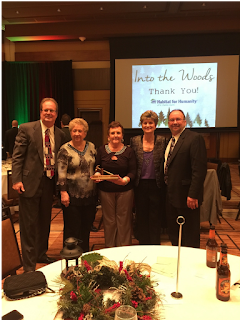 • From Chairman Mike Bullock: The shop committee continues to meet with management to resolve the local contract. We received word from payroll that the 2015 national agreement signing bonus that will be paid tomorrow will be taxed at 25% federal taxes along with social security and medicare taxes. Your wage increase will also be on the check issued tomorrow. If you have any questions or concerns with the payments contact your committeeman.
Congratulations to everyone for winning the 2016 Motor Trend Truck of the Year for the second year in a row! Everyone should be very proud of this accomplishment. To win back to back is truly a testament to what we do here everyday, build the greatest trucks in the world!!
I am contacting the jacket manufacturer now to determine if he can add “2016” to the order. The manaufacturer had the order half completed and would need to add “2016” to those completed jackets and “2016” to the remaining jackets. More info to come.
The special attrition program roll out will kick off next week. The dates and times are being worked out now. An announcement will be made tomorrow. The conversion of 250 employees to permanent starting December 7th is being finalized. More info to come tommorrow.
Congratulations to the UAW Local 2250 Women’s Committee for winning the “Golden Hammer” award for 2015 from Habitat for Humanity. Over $17,000 was raised here, which enabled an $8500 cash donation and provided over 100 baskets. The silent auction at Habitat’s annual Christmas dinner raised $8832 from the baskets and trees that were donated.
• Regarding other contractual payments, the Quality Bonus Payment will be payable in the check received on December 11. Back pay from the raise will not be paid until the 2nd or 3rd pay period in 2016. The $500 retiree bonus payment will be issued as a check and mailed beginning December 15.
• UAW Vice President Cindy Estrada sends her congratulations to us on the Colorado winning the Motor Trend Truck of the Year: “It is rewarding to see hard work pay off for UAW Local 2250 members in Wentzville, Missouri, who build the Colorado. The men and women behind these products exemplify the commitment UAW members have in building quality products that consumers trust and love.” And Region 5 Director Gary Jones sends this message: “This is the second straight year for the Colorado and that says a lot about the quality and popularity of this vehicle. It also says a great deal about the UAW Local 2250 members in Wentzville, Missouri, who build it. We are all very proud of the craftsmanship and what this means for the region and the industry.”
• This Sunday, Dec. 6 there will be a Christmas Holiday Party presented by the St. Louis Chapter of the Coalition of Labor Union Women (CLUW). It will be held at the Union Hall from 1:00 pm to 3:00 pm. Bring a dish and learn what CLUW is about!
• Santa Claus will be coming the the UAW 2250 Union Hall on Sunday, Dec. 13 from 1:00 pm to 3:00 pm to meet our future members. There will be cookies, milk and juice so bring your children and grandchildren and don’t forget your cameras!
• Beginning Monday, Dec. 7, Adopt-A-Child gifts can be dropped off at the cafeteria conference room.
• The annual Chassis Christmas Party is scheduled for Saturday, Dec. 19 at Maggie Malones (990 Wentzville Pkwy) from 3:00 pm until ? There will be free food, door prizes, drink specials and live music starting at 9:00 pm. All are welcome. For information contact Susan at column F-43, 1st shift motorline.
• GM sold 229,296 vehicles in the United States in November 2015, up 2 percent year over year, with two fewer selling days and sales incentives below the industry average. On a selling day-adjusted basis, GM’s total sales were up 10 percent. Sales of Chevrolet trucks rose 10 percent for the 20th consecutive monthly increase. Chevrolet crossovers were up 35 percent for the 12th consecutive monthly increase. Crossover deliveries were also robust at Buick, where Encore sales, up 12 percent year over year, have now increased for 23 consecutive months. Total Buick crossover sales were up 11 percent. At GMC, crossover deliveries rose 12 percent, driven by a 16 percent gain for the Terrain. Cadillac’s crossover, the SRX, saw a 53 percent increase.
Industry-wide, crossovers now account for 40 percent of the retail industry, up from 37 percent a year ago. GM’s retail sales were up 4 percent year over year. Adjusted for selling days, GM retail sales were up 14 percent. GM gained an estimated 1.0 points of retail market share to reach 16.5 percent during the month for the company’s eighth consecutive year-over-year increase. Deliveries to commercial customers were up 6 percent year over year and government deliveries were up 2 percent. Rental sales were down 16 percent per plan.
Total fleet sales were down 9 percent. The seasonally adjusted annual selling rate (SAAR) for light vehicles was an estimated 18.2 million units in November. The six-month moving average for the SAAR is now estimated to be 17.8 million units. The industry’s best sales year ever was 2000, when 17.4 million light vehicles were delivered. “We believe U.S. auto sales will continue to grow in 2016, based on the underlying strength of the economy, and we expect customers will continue to embrace crossovers and SUVs because they are meeting their fundamental needs for utility, comfort and fuel efficiency,” said Mustafa Mohatarem, GM chief economist. GM is also building significant momentum in the passenger car and pickup truck markets. At last month’s Los Angeles International Auto Show, the 2016 Chevrolet Colorado diesel was named Motor Trend Magazine’s Truck of the Year – a repeat victory for the truck.
The 2016 Chevrolet Camaro was named Motor Trend’s Car of the Year, and the 2016 Chevrolet Volt was named Green Car of the Year by Green Car Journal. In addition, the all-new 2016 Chevrolet Malibu begins shipping to dealers today. GM’s average transaction prices (ATPs) were a record $35,800, up about $740 from October 2015 and up about $580 year over year. GM’s incentive spending was 10.0 percent of ATP, down 1.6 percentage points from October 2015 and down 1.2 percentage points year over year.
Tom Brune
UAW Communications Coordinator
Wentzville Assembly
636-327-2119

Congratulations to everyone for winning the 2016 Motor Trend Truck of the Year for the second year in a row! Everyone should be very proud of this accomplishment. To win back to back is truly a testament to what we do here everyday, build the greatest trucks in the world!!
I am contacting the jacket manufacturer now to determine if he can add “2016” to the order. The manaufacturer had the order half completed and would need to add “2016” to those completed jackets and “2016” to the remaining jackets. More info to come.
The special attrition program roll out will kick off next week. The dates and times are being worked out now. An announcement will be made tomorrow. The conversion of 250 employees to permanent starting December 7th is being finalized. More info to come tommorrow.
Congratulations to the UAW Local 2250 Women’s Committee for winning the “Golden Hammer” award for 2015 from Habitat for Humanity. Over $17,000 was raised here, which enabled an $8500 cash donation and provided over 100 baskets. The silent auction at Habitat’s annual Christmas dinner raised $8832 from the baskets and trees that were donated.
• Regarding other contractual payments, the Quality Bonus Payment will be payable in the check received on December 11. Back pay from the raise will not be paid until the 2nd or 3rd pay period in 2016. The $500 retiree bonus payment will be issued as a check and mailed beginning December 15.
• UAW Vice President Cindy Estrada sends her congratulations to us on the Colorado winning the Motor Trend Truck of the Year: “It is rewarding to see hard work pay off for UAW Local 2250 members in Wentzville, Missouri, who build the Colorado. The men and women behind these products exemplify the commitment UAW members have in building quality products that consumers trust and love.” And Region 5 Director Gary Jones sends this message: “This is the second straight year for the Colorado and that says a lot about the quality and popularity of this vehicle. It also says a great deal about the UAW Local 2250 members in Wentzville, Missouri, who build it. We are all very proud of the craftsmanship and what this means for the region and the industry.”
• This Sunday, Dec. 6 there will be a Christmas Holiday Party presented by the St. Louis Chapter of the Coalition of Labor Union Women (CLUW). It will be held at the Union Hall from 1:00 pm to 3:00 pm. Bring a dish and learn what CLUW is about!
• Santa Claus will be coming the the UAW 2250 Union Hall on Sunday, Dec. 13 from 1:00 pm to 3:00 pm to meet our future members. There will be cookies, milk and juice so bring your children and grandchildren and don’t forget your cameras!
• Beginning Monday, Dec. 7, Adopt-A-Child gifts can be dropped off at the cafeteria conference room.
• The annual Chassis Christmas Party is scheduled for Saturday, Dec. 19 at Maggie Malones (990 Wentzville Pkwy) from 3:00 pm until ? There will be free food, door prizes, drink specials and live music starting at 9:00 pm. All are welcome. For information contact Susan at column F-43, 1st shift motorline.
• GM sold 229,296 vehicles in the United States in November 2015, up 2 percent year over year, with two fewer selling days and sales incentives below the industry average. On a selling day-adjusted basis, GM’s total sales were up 10 percent. Sales of Chevrolet trucks rose 10 percent for the 20th consecutive monthly increase. Chevrolet crossovers were up 35 percent for the 12th consecutive monthly increase. Crossover deliveries were also robust at Buick, where Encore sales, up 12 percent year over year, have now increased for 23 consecutive months. Total Buick crossover sales were up 11 percent. At GMC, crossover deliveries rose 12 percent, driven by a 16 percent gain for the Terrain. Cadillac’s crossover, the SRX, saw a 53 percent increase.
Industry-wide, crossovers now account for 40 percent of the retail industry, up from 37 percent a year ago. GM’s retail sales were up 4 percent year over year. Adjusted for selling days, GM retail sales were up 14 percent. GM gained an estimated 1.0 points of retail market share to reach 16.5 percent during the month for the company’s eighth consecutive year-over-year increase. Deliveries to commercial customers were up 6 percent year over year and government deliveries were up 2 percent. Rental sales were down 16 percent per plan.
Total fleet sales were down 9 percent. The seasonally adjusted annual selling rate (SAAR) for light vehicles was an estimated 18.2 million units in November. The six-month moving average for the SAAR is now estimated to be 17.8 million units. The industry’s best sales year ever was 2000, when 17.4 million light vehicles were delivered. “We believe U.S. auto sales will continue to grow in 2016, based on the underlying strength of the economy, and we expect customers will continue to embrace crossovers and SUVs because they are meeting their fundamental needs for utility, comfort and fuel efficiency,” said Mustafa Mohatarem, GM chief economist. GM is also building significant momentum in the passenger car and pickup truck markets. At last month’s Los Angeles International Auto Show, the 2016 Chevrolet Colorado diesel was named Motor Trend Magazine’s Truck of the Year – a repeat victory for the truck.
The 2016 Chevrolet Camaro was named Motor Trend’s Car of the Year, and the 2016 Chevrolet Volt was named Green Car of the Year by Green Car Journal. In addition, the all-new 2016 Chevrolet Malibu begins shipping to dealers today. GM’s average transaction prices (ATPs) were a record $35,800, up about $740 from October 2015 and up about $580 year over year. GM’s incentive spending was 10.0 percent of ATP, down 1.6 percentage points from October 2015 and down 1.2 percentage points year over year.
Tom Brune
UAW Communications Coordinator
Wentzville Assembly
636-327-2119
Monday, November 16, 2015
State of the Union November 16, 2015
• From Chairman Mike Bullock: The UAW and GM have agreed to extend the current 2011 national agreement until Friday, November 20, 2015 which is the new deadline for ratification of the tentative national agreement. The national bargaining team continues to meet to resolve the issues and concerns that were raised by the skilled trades. Once the contract is ratified, the process for payment of the signing bonus and retroactive wage increases will begin. As more information is released, announcements will be made. The shop committee continues to meet on the local contract.
Thirty new temporaries were hired today. This is the first group of an additional 75 temporaries that are being hired to facilitate the request for Saturday time off. The approval rate for Saturday time off has not been acceptable to the union and we were able to secure additional temporary employees to allow more members time off.
There are additional flu shots available to all employees, first come, first serve (dispensed at medical, 2-4 am, 9-11 am and 6-8 pm).
As announced earlier, 250 employees will be converted starting December 7. All employees hired prior to and including May 9 will be converted to permanent. Those employees that will be converted will be notified of time and location of their conversion in the next two weeks.
Union meeting is 15 minutes after the shifts this Wednesday November 18th.
• October was another strong sales month for the industry overall as well as GM. It seems more likely than not that a new yearly sales record will be established in 2015. Here’s a look at the van and midsize pickup segments for the month:
• Field supplies for the van crept up 600 units and as measured in days supply, now stand at 46, compared to 42 last month. We are still struggling to catch up on passenger vans, while cargo vans accounted for all of the increase in units. Looking at pickups, Canyon supplies rose 1250 units and are now at a healthy 80 day supply (optimal pickup supplies are generally higher than cars due to the number of different models). Colorado supplies rose 2000 units as the pipeline continues to fill up. Days supply is now 44, compared to 30 last month. The Colorado is still the fastest selling vehicle in the industry, staying on dealer lots only 24 days on average.
• Calling all Bakers: The annual pre-trim Bake Sale to raise money for Adopt-A-Child will be held Monday, Nov. 23. Location is the team center at column N-31,32. You can drop off your baked goods there or at the Suggestions office.
• There have been some fixes and upgrades implemented on the Hourly Communications Channel (HCC). Your rings should now be accurately recorded. A warning message will appear on the web page if you are not signed up for notifications and a link will guide you to the subscription signup. A warning message to the hourly employee has been added if they uncheck a box that was submitted prior, which would ‘cancel’ their original requested day off. A ‘confirm selections’ box to further clarify requests and cancellations has also been added.
• Reminder: The announcement for Motor Trend Truck of the Year will be tonight at 9:30 our time. Tune in to the Motor Trend You Tube channel for live coverage.
• The diesel Colorado/Canyon has finally received EPA certification. Along with a clean emissions bill of health comes the fuel economy ratings – and they set the new standard for any pickup. The 2-wheel drive version is rated at 31 mpg highway, 22 mpg city for a combined rating of 25 mpg. Four-wheel drive versions came in at 29 mpg highway, 20 mpg city and 23 mpg combined. For comparison purposes, the redesigned Toyota Tacoma 4-cylinder gets 23 mpg highway, 19 mpg city and 21 mpg combined. The Tacoma V6 actually does slightly better than the 4 cylinder at 24 mpg highway, 19 mpg city and 21 mpg combined (Tacoma numbers are for 2-wheel drive). And speaking of comparisons, the Motor Trend Truck of the Year will be announced tonight. Both the diesel Colorado and Canyon are contenders, along with the Tacoma, the Chevy Silverado, the GMC Sierra and the Nissan Titan XD. With nothing but praise being heaped onto our diesel pickups by the media, a repeat win is a definite possibility.
• As you know, the UAW and Ford have reached a tentative agreement. Part of the agreement is a commitment from Ford to invest up to $9 billion in U.S. plants. It has been rumored that the Michigan Assembly plant, which currently builds the Ford Focus and C-Max cars, will lose those 2 vehicles to a plant in Mexico and receive a product, or 2, in return. This is confirmed in the agreement, but the 2 replacement vehicles were not identified. Nearly everyone believes it will be the Ford Ranger pickup and later the Ford Bronco SUV. The 2 cars will depart in 2018. The contract says that both replacement vehicles will be in place no later than 2020. The oft-quoted “person with knowledge of the agreement not authorized to speak” is saying it will indeed by the Ranger and Bronco. The same holds true for Chrysler and their unconfirmed plans to build a Jeep Wrangler pickup. (Remember, the redesigned Honda Ridgeline and Nissan Frontier will be hitting the street in the next 12 months or so) Is it us or is it getting a little crowded in the midsize pickup sandbox?
Tom Brune
UAW Communications Coordinator
Wentzville Assembly
636-327-2119
Thirty new temporaries were hired today. This is the first group of an additional 75 temporaries that are being hired to facilitate the request for Saturday time off. The approval rate for Saturday time off has not been acceptable to the union and we were able to secure additional temporary employees to allow more members time off.
There are additional flu shots available to all employees, first come, first serve (dispensed at medical, 2-4 am, 9-11 am and 6-8 pm).
As announced earlier, 250 employees will be converted starting December 7. All employees hired prior to and including May 9 will be converted to permanent. Those employees that will be converted will be notified of time and location of their conversion in the next two weeks.
Union meeting is 15 minutes after the shifts this Wednesday November 18th.
• October was another strong sales month for the industry overall as well as GM. It seems more likely than not that a new yearly sales record will be established in 2015. Here’s a look at the van and midsize pickup segments for the month:
| 2015 | 2014 | Change | Share | |
| Ford Transit | 9361 | --- | --- | 34.3% |
| GM | 7822 | 6601 | +18.5% | 28.6% |
| Ford Econoline | 4034 | 4624 | -12.8% | 14.8% |
| Mercedes Sprinter | 2649 | 2140 | +23.8% | 9.7% |
| Ram ProMaster | 2055 | 1723 | +19.3% | 7.5% |
| Nissan NV | 1391 | 1220 | +14.0% | 5.1% |
| Toyota Tacoma | 150233 | 13,010 | +17.1% | 51.7% |
| Chevy Colorado | 7,059 | --- | --- | 24.0% |
| Nissan Frontier | 4764 | 6268 | -27.5% | 16.2% |
| GMC Canyon | 2415 | --- | --- | 8.2% |
• Field supplies for the van crept up 600 units and as measured in days supply, now stand at 46, compared to 42 last month. We are still struggling to catch up on passenger vans, while cargo vans accounted for all of the increase in units. Looking at pickups, Canyon supplies rose 1250 units and are now at a healthy 80 day supply (optimal pickup supplies are generally higher than cars due to the number of different models). Colorado supplies rose 2000 units as the pipeline continues to fill up. Days supply is now 44, compared to 30 last month. The Colorado is still the fastest selling vehicle in the industry, staying on dealer lots only 24 days on average.
• Calling all Bakers: The annual pre-trim Bake Sale to raise money for Adopt-A-Child will be held Monday, Nov. 23. Location is the team center at column N-31,32. You can drop off your baked goods there or at the Suggestions office.
• There have been some fixes and upgrades implemented on the Hourly Communications Channel (HCC). Your rings should now be accurately recorded. A warning message will appear on the web page if you are not signed up for notifications and a link will guide you to the subscription signup. A warning message to the hourly employee has been added if they uncheck a box that was submitted prior, which would ‘cancel’ their original requested day off. A ‘confirm selections’ box to further clarify requests and cancellations has also been added.
• Reminder: The announcement for Motor Trend Truck of the Year will be tonight at 9:30 our time. Tune in to the Motor Trend You Tube channel for live coverage.
• The diesel Colorado/Canyon has finally received EPA certification. Along with a clean emissions bill of health comes the fuel economy ratings – and they set the new standard for any pickup. The 2-wheel drive version is rated at 31 mpg highway, 22 mpg city for a combined rating of 25 mpg. Four-wheel drive versions came in at 29 mpg highway, 20 mpg city and 23 mpg combined. For comparison purposes, the redesigned Toyota Tacoma 4-cylinder gets 23 mpg highway, 19 mpg city and 21 mpg combined. The Tacoma V6 actually does slightly better than the 4 cylinder at 24 mpg highway, 19 mpg city and 21 mpg combined (Tacoma numbers are for 2-wheel drive). And speaking of comparisons, the Motor Trend Truck of the Year will be announced tonight. Both the diesel Colorado and Canyon are contenders, along with the Tacoma, the Chevy Silverado, the GMC Sierra and the Nissan Titan XD. With nothing but praise being heaped onto our diesel pickups by the media, a repeat win is a definite possibility.
• As you know, the UAW and Ford have reached a tentative agreement. Part of the agreement is a commitment from Ford to invest up to $9 billion in U.S. plants. It has been rumored that the Michigan Assembly plant, which currently builds the Ford Focus and C-Max cars, will lose those 2 vehicles to a plant in Mexico and receive a product, or 2, in return. This is confirmed in the agreement, but the 2 replacement vehicles were not identified. Nearly everyone believes it will be the Ford Ranger pickup and later the Ford Bronco SUV. The 2 cars will depart in 2018. The contract says that both replacement vehicles will be in place no later than 2020. The oft-quoted “person with knowledge of the agreement not authorized to speak” is saying it will indeed by the Ranger and Bronco. The same holds true for Chrysler and their unconfirmed plans to build a Jeep Wrangler pickup. (Remember, the redesigned Honda Ridgeline and Nissan Frontier will be hitting the street in the next 12 months or so) Is it us or is it getting a little crowded in the midsize pickup sandbox?
Tom Brune
UAW Communications Coordinator
Wentzville Assembly
636-327-2119
Tuesday, October 27, 2015
State of the Union October 27, 2015
Local 2250
State of the Union
October 27, 2015 online at www.uawlocal2250.com
• From Chairman Mike Bullock: A tentative National agreement has been reached between the International UAW and GM. Van Simpson and myself will be going to Detroit for a roll out of the tentative agreement on Wednesday October 28th at 3pm Eastern. The shop committee continues to meet daily in an attempt to reach a Local Contract. An extension of the Local Agreement is still in effect.
• Here is the statement from the UAW on the Tentative Agreement: The UAW-GM Bargaining committee announced at 11:43 p.m. Sunday that they have secured significant gains and job security protections in a proposed Tentative Agreement with General Motors. The bargaining committee unanimously voted to send the proposed Tentative Agreement to local union leaders who make up the union’s UAW National GM Council. The Council will meet in Detroit on Wednesday to discuss and vote on the agreement.
“We believe that this agreement will present stable long-term significant wage gains and job security commitments to UAW members now and in the future,” said UAW President Dennis Williams. “We look forward to presenting the details of these gains to local union leaders and the membership.”
UAW Vice President Cindy Estrada called the agreement transformative as it gives our members a clear path. “The significant gains in this agreement are structured in a way that will provide certainty to our members and create a clear path for all GM employees now and in the future. The agreement not only rewards UAW-GM members for their accomplishments, but it protects them with significant job security commitments.”
Until the UAW National GM Council votes to approve the deal, it is classified as a Proposed Tentative Agreement. The contract language becomes a Tentative Agreement once the Council votes and they have requested details to be held until they review and vote on the proposal. Following Council approval, the UAW will release details of the Tentative Agreement to its membership and the ratification process will begin. A vote of the UAW-GM membership will decide whether or not the deal is finalized. The union plans to make the details of the agreement available immediately after the UAW National GM Council votes on the tentative agreement Wednesday and will have no comment until that time.
• Here is General Motors’ statement on the tentative agreement: "The new UAW-GM national agreement is good for employees and the business,” said Cathy Clegg, GM North America Manufacturing and Labor Relations vice president. “Working with our UAW partners, we developed constructive solutions that benefit employees and provide flexibility for the company to respond to the needs of the marketplace.” Terms of the four-year agreement are not being shared publicly to allow the International UAW to inform their membership about the agreement and conduct a ratification vote. If ratified, the agreement would cover about 52,600 GM employees in the United States who are represented by the UAW. GM won’t comment further until the contract is ratified.
• The Community Services Committee is holding a raffle to raise money to level gifts for the annual Adopt-A-Child program. The prizes are an ION Block Rocker speaker, a $100 QT gas card and a pair of Blues hockey tickets. Raffle tickets are on sale now through Friday, October 30. Prices are $5 each, 3 for $10 and something new for this year, 22 tickets for $20 (this was determined by how many tickets it took to reach from the front wheel to the back wheel of a Colorado). Tickets can be purchased from Tina Hays (2nd shift stamping), Mike Fleschert (1st shift body shop) and Wanda Richard (1st shift suggestions) or any other committee member.
• Tryouts for the 2nd Annual UAW Men’s Basketball tournament will be held Friday, November 6th, 2015 from 12 noon to 2pm and again from 3 to 5pm @ Progress Park, 968 Meyer Rd., Wentzville 63385, with a $4.00 gym fee. The Thanksgiving Tournament will be held in Kansas City and all proceeds will be donated to UAW Local 31 Adopt-A-Family project. (Must provide your own transportation to Kansas City) Please contact Coach Owen Jackson (314) 650-6328 or Fred Jamison (314) 497-3067 (Trustee/Recreation liaison)
• From the Detroit Free Press: General Motors will suspend a second production shift in January at its Orion assembly plant, affecting about 500 people. They make the Chevrolet Sonic and Buick Verano subcompacts, which are not selling well as Americans migrate toward large pickups, SUVs and crossover models. Verano sales fell 27% through the first nine months of 2015 from a year earlier. Sonic sales have fallen 35% in the same period. Last June, the company said it would invest $245 million and hire 300 people at Orion Assembly to build the new Chevrolet Bolt electric car beginning next year, and an unnamed future model.
• From Automotive News: Ford posted third-quarter net income of $1.9 billion, up from $833 million in the same period of 2014. It earned a pretax profit of $2.7 billion in North America, 89 percent more than a year ago and the most ever for any quarter. North American operating margins jumped to 11.3 percent, from 7.1 percent in the third quarter of 2014. Ford CFO Shanks said the fourth quarter will be weaker than the third due to cost increases that typically occur toward the end of a calendar year. Among the costs it expects to incur are signing bonuses as part of an expected, new four-year contract with the UAW. The union already has reached a deal with Fiat Chrysler Automobiles and a tentative agreement with General Motors. Union members undoubtedly will see Ford’s record North American profit as evidence that the company can afford to offer a richer package than FCA workers received. Shanks said Ford is looking for a “competitive and fair agreement” but declined to discuss what impact it’s likely to have on Ford’s costs in future quarters. He said Ford expects a full-year North American operating margin of between 9 percent and 9.5 percent. It posted a 9.9 percent margin in the first three quarters.
Tom Brune
UAW Communications Coordinator
Wentzville Assembly
636-327-2119
October 27, 2015 online at www.uawlocal2250.com
• From Chairman Mike Bullock: A tentative National agreement has been reached between the International UAW and GM. Van Simpson and myself will be going to Detroit for a roll out of the tentative agreement on Wednesday October 28th at 3pm Eastern. The shop committee continues to meet daily in an attempt to reach a Local Contract. An extension of the Local Agreement is still in effect.
• Here is the statement from the UAW on the Tentative Agreement: The UAW-GM Bargaining committee announced at 11:43 p.m. Sunday that they have secured significant gains and job security protections in a proposed Tentative Agreement with General Motors. The bargaining committee unanimously voted to send the proposed Tentative Agreement to local union leaders who make up the union’s UAW National GM Council. The Council will meet in Detroit on Wednesday to discuss and vote on the agreement.
“We believe that this agreement will present stable long-term significant wage gains and job security commitments to UAW members now and in the future,” said UAW President Dennis Williams. “We look forward to presenting the details of these gains to local union leaders and the membership.”
UAW Vice President Cindy Estrada called the agreement transformative as it gives our members a clear path. “The significant gains in this agreement are structured in a way that will provide certainty to our members and create a clear path for all GM employees now and in the future. The agreement not only rewards UAW-GM members for their accomplishments, but it protects them with significant job security commitments.”
Until the UAW National GM Council votes to approve the deal, it is classified as a Proposed Tentative Agreement. The contract language becomes a Tentative Agreement once the Council votes and they have requested details to be held until they review and vote on the proposal. Following Council approval, the UAW will release details of the Tentative Agreement to its membership and the ratification process will begin. A vote of the UAW-GM membership will decide whether or not the deal is finalized. The union plans to make the details of the agreement available immediately after the UAW National GM Council votes on the tentative agreement Wednesday and will have no comment until that time.
• Here is General Motors’ statement on the tentative agreement: "The new UAW-GM national agreement is good for employees and the business,” said Cathy Clegg, GM North America Manufacturing and Labor Relations vice president. “Working with our UAW partners, we developed constructive solutions that benefit employees and provide flexibility for the company to respond to the needs of the marketplace.” Terms of the four-year agreement are not being shared publicly to allow the International UAW to inform their membership about the agreement and conduct a ratification vote. If ratified, the agreement would cover about 52,600 GM employees in the United States who are represented by the UAW. GM won’t comment further until the contract is ratified.
• The Community Services Committee is holding a raffle to raise money to level gifts for the annual Adopt-A-Child program. The prizes are an ION Block Rocker speaker, a $100 QT gas card and a pair of Blues hockey tickets. Raffle tickets are on sale now through Friday, October 30. Prices are $5 each, 3 for $10 and something new for this year, 22 tickets for $20 (this was determined by how many tickets it took to reach from the front wheel to the back wheel of a Colorado). Tickets can be purchased from Tina Hays (2nd shift stamping), Mike Fleschert (1st shift body shop) and Wanda Richard (1st shift suggestions) or any other committee member.
• Tryouts for the 2nd Annual UAW Men’s Basketball tournament will be held Friday, November 6th, 2015 from 12 noon to 2pm and again from 3 to 5pm @ Progress Park, 968 Meyer Rd., Wentzville 63385, with a $4.00 gym fee. The Thanksgiving Tournament will be held in Kansas City and all proceeds will be donated to UAW Local 31 Adopt-A-Family project. (Must provide your own transportation to Kansas City) Please contact Coach Owen Jackson (314) 650-6328 or Fred Jamison (314) 497-3067 (Trustee/Recreation liaison)
• From the Detroit Free Press: General Motors will suspend a second production shift in January at its Orion assembly plant, affecting about 500 people. They make the Chevrolet Sonic and Buick Verano subcompacts, which are not selling well as Americans migrate toward large pickups, SUVs and crossover models. Verano sales fell 27% through the first nine months of 2015 from a year earlier. Sonic sales have fallen 35% in the same period. Last June, the company said it would invest $245 million and hire 300 people at Orion Assembly to build the new Chevrolet Bolt electric car beginning next year, and an unnamed future model.
• From Automotive News: Ford posted third-quarter net income of $1.9 billion, up from $833 million in the same period of 2014. It earned a pretax profit of $2.7 billion in North America, 89 percent more than a year ago and the most ever for any quarter. North American operating margins jumped to 11.3 percent, from 7.1 percent in the third quarter of 2014. Ford CFO Shanks said the fourth quarter will be weaker than the third due to cost increases that typically occur toward the end of a calendar year. Among the costs it expects to incur are signing bonuses as part of an expected, new four-year contract with the UAW. The union already has reached a deal with Fiat Chrysler Automobiles and a tentative agreement with General Motors. Union members undoubtedly will see Ford’s record North American profit as evidence that the company can afford to offer a richer package than FCA workers received. Shanks said Ford is looking for a “competitive and fair agreement” but declined to discuss what impact it’s likely to have on Ford’s costs in future quarters. He said Ford expects a full-year North American operating margin of between 9 percent and 9.5 percent. It posted a 9.9 percent margin in the first three quarters.
Tom Brune
UAW Communications Coordinator
Wentzville Assembly
636-327-2119
Subscribe to:
Posts (Atom)